


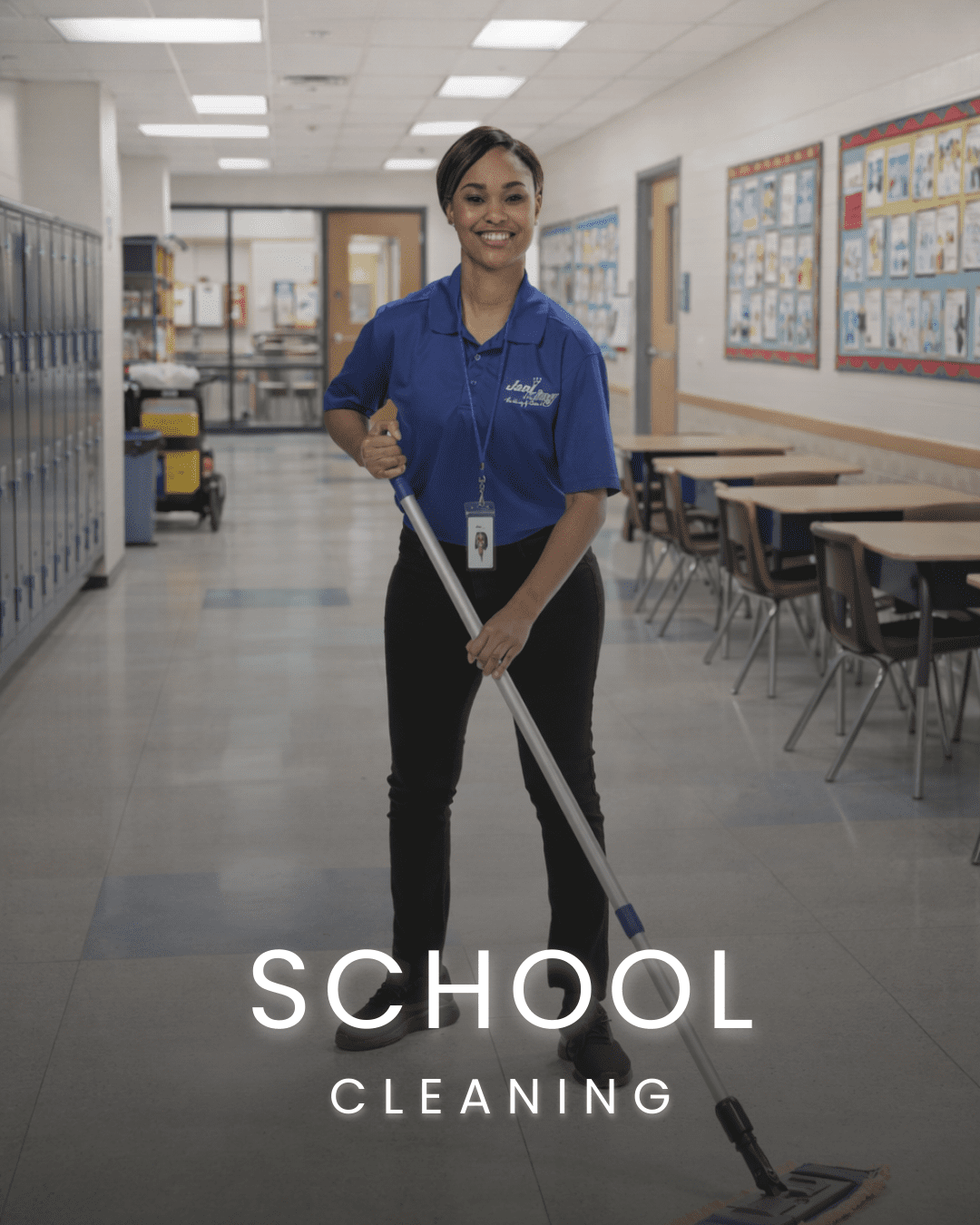
Maintaining a clean, safe, and healthy environment is essential for the success of any educational facility. From daycares and elementary schools to universities and campus residences, cleanliness plays a direct role in student well-being, staff confidence, and overall operational effectiveness.
Educational environments present unique cleaning challenges. High foot traffic, shared spaces, and frequent contact with surfaces increase the risk of germs spreading quickly. Classrooms, hallways, washrooms, and common areas all require consistent attention to maintain hygiene standards and reduce potential health risks.
A structured school cleaning program goes beyond basic appearance. It focuses on creating a reliable, consistent approach to cleaning and disinfection that supports daily operations without disruption. High-touch surfaces such as desks, door handles, railings, and washroom fixtures must be cleaned and disinfected regularly to help limit the spread of germs and viruses.
Flexibility is also a key consideration. Cleaning schedules often need to align with academic calendars, class schedules, and seasonal demands. Whether it is daily cleaning, periodic deep disinfection, or increased service during peak illness seasons, a tailored approach ensures that the facility remains clean while minimizing impact on students and staff.
Different types of educational facilities also require different strategies. Daycares and preschools often need more frequent sanitization, while colleges and universities must manage larger spaces such as lecture halls, residences, and shared common areas. A well-designed cleaning program takes these differences into account and adapts accordingly.
Investing in a professional school cleaning program supports more than just cleanliness. It helps create an environment where students can focus on learning, staff can work confidently, and visitors experience a well-maintained facility.
For administrators and facility managers, reviewing cleaning programs regularly and ensuring they align with the needs of the institution is an important step in maintaining a safe and effective learning environment.