
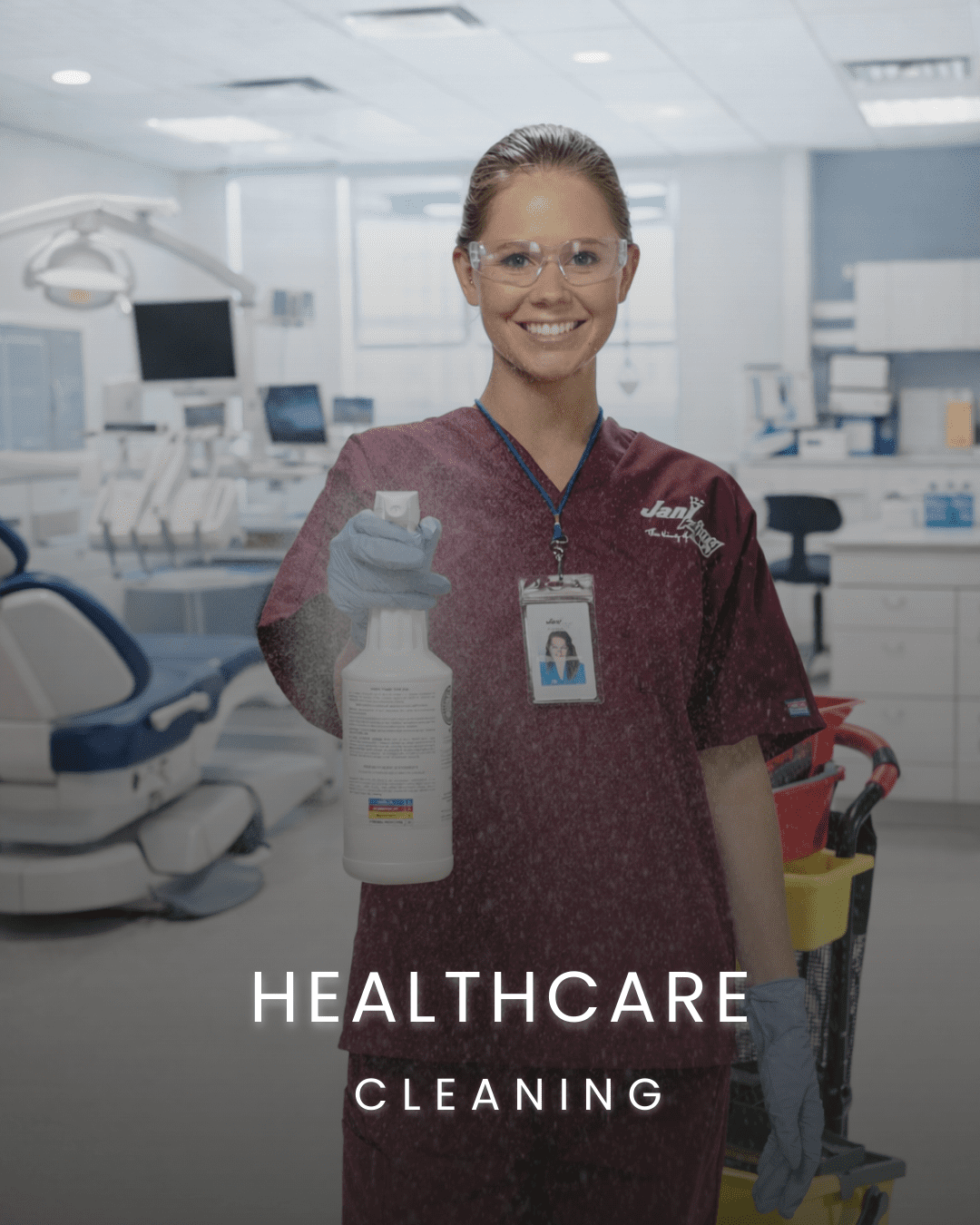
Healthcare environments require a higher standard of cleanliness than most other workplaces. From medical offices and outpatient clinics to treatment centres and specialty practices, maintaining a sanitary environment is essential for protecting patients, staff, and visitors.
Unlike standard commercial spaces, healthcare facilities must manage a wide range of hygiene risks. High-touch surfaces such as door handles, waiting room seating, examination tables, and washrooms can quickly become points of contamination if not cleaned and disinfected properly. Without consistent cleaning protocols in place, the risk of cross-contamination can increase, potentially impacting patient safety and overall confidence in the facility.
Professional healthcare cleaning programs are designed to address these challenges through structured processes and trained personnel. Cleaning teams working in healthcare environments understand the importance of following strict protocols, using appropriate disinfectants, and paying close attention to areas that require frequent sanitation.
A well-designed healthcare cleaning program focuses on both routine maintenance and targeted disinfection. High-touch surfaces receive special attention, while exam rooms, waiting areas, and treatment spaces are cleaned according to consistent schedules. Washrooms and common areas are also maintained to support hygiene standards for patients and staff throughout the day.
Equally important is the use of cleaning products and processes that support germ reduction and infection control. When implemented properly, these practices help maintain a clean and safe environment that supports the daily operations of healthcare providers.
Healthcare cleaning programs are typically developed in alignment with recognized best practices and guidance from leading health organizations. Following these standards helps ensure that facilities maintain the level of cleanliness required in clinical environments.
For healthcare providers reviewing their current cleaning program, a structured and specialized approach can help strengthen infection control practices while maintaining a welcoming and professional environment for everyone who enters the facility.